

 See My Latest Article on HelloNation
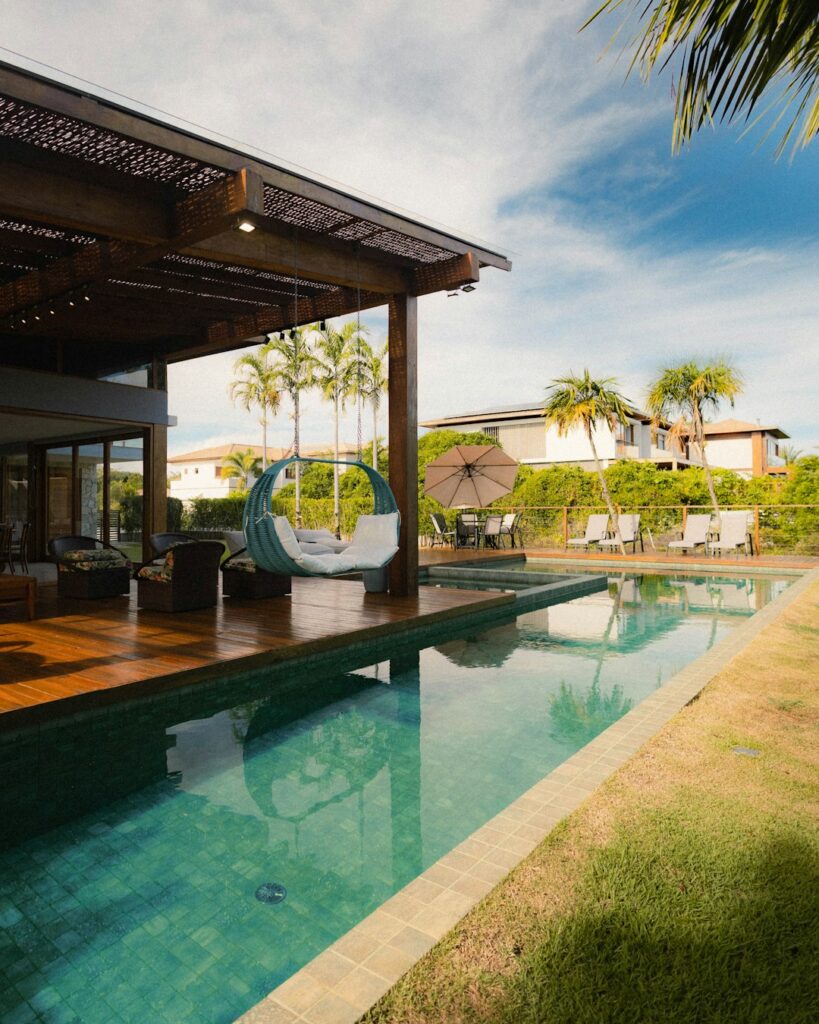
Why Does Pool Algae Appear in Alpharetta, GA?
Algae is a common issue in residential pools, especially during warmer, humid months that are typical in Alpharetta, GA. It thrives when conditions favor organic buildup, sunlight, and inconsistent chlorine levels. Many local households encounter green, yellow, or even black algae at some point, especially after storms or during periods of heavy use.
Factors that often lead to algae growth include:
- Warm, sunny days accelerating algae reproduction
- Rain introducing contaminants and diluting pool chemicals
- Leaves and organic debris from surrounding trees
- Heavy use by swimmers, making water chemistry harder to maintain
How Can You Prevent Pool Algae?
Consistent maintenance is the most effective way to keep algae away from pools in Alpharetta. Regular attention to water chemistry and cleanliness makes algae far less likely to establish itself.
Key prevention measures include:
- Monitor chlorine levels regularly – Aim for a stable, manufacturer-recommended free chlorine range to prevent spores from surviving.
- Brush walls and vacuum debris – Weekly brushing of pool surfaces and vacuuming help eliminate places where algae can cling, especially around steps or in shaded corners.
- Control leaves and yard runoff – Skim off plant debris promptly. Trimmings from local oaks, pines, or ornamental trees can feed algae.
- Maintain good filtration and circulation – Run the pool pump daily for enough hours to cycle all the water (usually 8-12 hours depending on pool size).
- Shock after storms or parties – Large influxes of swimmers or rain can tip water chemistry out of balance. Shocking the pool with an approved dose of chlorine oxidizes contaminants before algae can take hold.
- Test water chemistry at least once a week – Ensure balanced pH, alkalinity, and sanitizer levels. In the hot season, more frequent checks are smart.
What Are the Early Signs of Algae in the Pool?
Catching algae early makes removal much easier. Residents in Alpharetta often first notice:
- Cloudy water, especially after warm spells
- Greenish tinge on steps, ladders, or shady areas
- Slippery spots on walls or floors
- Yellowish or black spots in corners or grout lines
If spotted early, basic cleaning and chemical adjustment usually prevents a full bloom.
How Should You Remove Algae Once It Appears?
Algae removal depends on how advanced the problem is, but the basic approach remains consistent throughout the area.
For Mild (Early) Algae:
- Brush affected areas thoroughly with a stiff pool brush.
- Test water and adjust chlorine to the high end of the safe range.
- Add a pool shock product following all manufacturer safety instructions.
- Run the pump continuously for 24 hours while filter is clean.
- Vacuum up dead algae once water clears; backwash or clean filter as needed.

For Moderate/Severe Algae:
- Triple-shock the pool: Add up to 3x the normal shock dose, following safety guidelines.
- Brush all surfaces, including steps, walls, lights, and behind ladders.
- Run the filter nonstop and clean it frequently; dead algae can clog filters quickly.
- If the filter becomes overwhelmed, deep clean or replace the media.
- Monitor and re-test every 12-24 hours until water is clear and readings normalize.
In most cases, these steps restore water clarity within a few days. If black algae is present—it forms dark, stubborn spots and resists brushing—additional steps like scrubbing with an algae brush and applying targeted chemical treatments may be needed.
What Local Conditions Make Algae Prevention Unique?
Alpharetta’s climate, neighborhood landscaping, and seasonal rainstorms all affect pool care. Warm, humid summers require more vigilant water maintenance, and shaded yards or pools surrounded by mature trees can see higher debris loads than open yards. After storms, pollen, spores, and yard runoff can spike quickly, so extra skimming and filter checks are smart.
Using a pool cover when not swimming, especially during pollen season or extended rain, can also help reduce the workload and keep contaminants from entering the water.
Are There Common Misconceptions About Algae Control?
Yes, several myths circulate in Alpharetta and beyond:
- Myth: “Once shocked, algae can’t come back.” In reality, algae spores are everywhere, so ongoing prevention matters.
- Myth: “Algae only forms in dirty, rarely-used pools.” Frequent use can disrupt chemistry, and clean-looking water can still host invisible algae.
- Myth: “Algaecide replaces chlorine.” Algaecides can supplement, but never replace consistent sanitizer levels and filtration.
Awareness of these facts helps residents avoid common maintenance pitfalls.
When Is Algae a Health Concern?
While typical green or yellow algae isn’t dangerous itself, it can make pool surfaces slippery, increasing risk of falls. Algae problems sometimes accompany unsafe water conditions (like low chlorine), which can allow bacteria to multiply. Pools with stubborn black algae should be addressed promptly, as this type is more resistant and may harbor pathogens.
If algae infestation is severe or water is thick, swimming should be paused until levels are restored. For local households with young children, seniors, or sensitive skin, err on the side of caution and wait for clear, balanced water before resuming use.
Should Special Tools or Chemicals Be Used?
Beyond basic home test kits, chlorine or non-chlorine pool shock, a sturdy pool brush, and an effective filter, specialty chemicals like algaecide or clarifier can be helpful after big storms or recurring blooms. However, simple routine care is often enough, and overtreatment can lead to chemical imbalances. Always read instructions carefully and avoid mixing chemicals directly together.