

 See My Latest Article on HelloNation
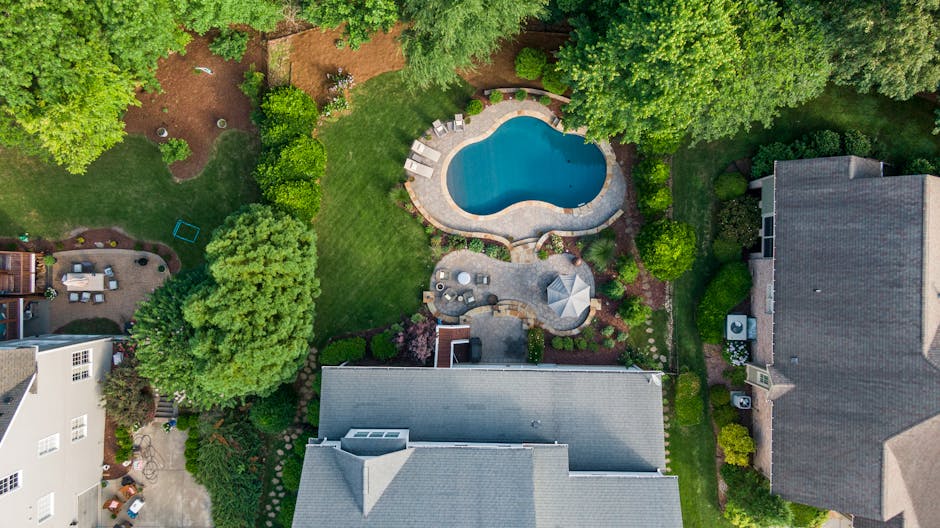
Maintaining a backyard pool is a dream come true for many Alpharetta, GA residents. Whether you’re looking to relax after a busy workweek, host family barbecues, or keep the kids entertained in the summer heat, a pool can become the hub of your outdoor lifestyle. But before you break ground or update your current pool, you’ll likely wrestle with one key question: Should you go with a saltwater or chlorine pool?
Each system has its unique advantages and drawbacks, especially when considering the local climate, water quality, and outdoor living trends in Alpharetta. Here’s a comprehensive guide to help you make the best decision for your backyard oasis.
What’s the Difference? Saltwater vs. Chlorine Pools
Before diving into pros and cons, it’s helpful to clarify the main differences:
- Chlorine pools are sanitized by directly adding chlorine (tablets, powder, or liquid) to the water, which kills bacteria and controls algae.
- Saltwater pools, despite the name, use salt to generate chlorine automatically via a salt chlorinator (also called a salt cell or generator). The water has a much lower salt content than ocean water, resulting in a softer feel.
Pros of Saltwater Pools
- Gentler on Skin and Eyes
- Many Alpharetta families enjoy spending long afternoons in the pool during Georgia’s hot summers. Saltwater pools are known to be less abrasive on the skin and eyes, reducing the risk of dryness and irritation, which is especially beneficial for kids and those with sensitive skin.
- Softer, Silkier Water
- The water in a saltwater pool tends to feel smoother due to the dissolved salt content. This can make swimming more pleasant and comfortable, aligning with the luxurious outdoor lifestyle many Alpharetta homeowners seek.
- Lower Ongoing Chemical Costs
- Instead of purchasing chlorine frequently, you just add salt periodically. The system continuously generates chlorine, reducing trips to the pool store. Over time, this can result in savings, especially for households that use their pools often.
- Reduced “Chlorine Smell”
- Saltwater systems produce a consistent, low level of chlorine, which means you’re less likely to notice that strong “pool smell” after a swim. This is appreciated for backyard gatherings and outdoor entertaining—a favorite activity in Alpharetta.
Cons of Saltwater Pools
- Higher Upfront Cost
- Installing a saltwater system requires an initial investment in a salt chlorinator, which can add to your setup costs. While ongoing expenses may be lower, the upfront hit is something to consider in your landscaping budget.
- Potential for Corrosion
- Salt is naturally corrosive. Over time, it can damage certain pool components like metal ladders, light fixtures, or stonework—a factor to consider with some of the stone patios and custom hardscapes popular in Alpharetta backyards.
- More Complex Equipment
- The salt cell requires periodic inspection and cleaning. Replacement every 3-7 years is common, which means you’ll need to keep an eye on long-term maintenance.
- Electrical Costs
- The salt chlorinator needs electricity to function, leading to a minor increase in utility bills.
Pros of Chlorine Pools
- Lower Installation Cost
- With fewer specialized components, chlorine pools are typically less expensive to install. This matters if you’re building a new pool while managing other landscaping upgrades on your Alpharetta property.
- Quick and Direct Water Treatment
- Adding chlorine can resolve water quality or algae issues swiftly. This means your pool can be swim-ready faster after a heavy storm—important considering Georgia’s unpredictable summer downpours.
- Wider Availability of Supplies
- Chlorine products are widely available, and most pool service professionals in Alpharetta are familiar with traditional chlorine systems.
Cons of Chlorine Pools
- Regular Chemical Handling
- You’ll need to handle chlorine products regularly and precisely. This can be inconvenient and potentially hazardous if not stored or managed properly around children and pets.
- Stronger Odor and Irritation
- Chlorine can cause a pronounced chemical smell, along with drying of skin and hair, especially with frequent use. For active families and kids who swim daily, this is worth considering.
- Frequent Water Balancing
- Chlorine pools require constant monitoring and adjusting of pH, alkalinity, and stabilizer levels. Alpharetta’s fluctuating temperatures and high rain volume mean more frequent checks.
Pool Maintenance in Alpharetta’s Climate
The hot, humid summers and mild winters in Alpharetta affect pool maintenance requirements. Both systems rely on diligent water testing, but:
- Saltwater pools may need more frequent inspection after storms, as heavy rain can dilute salt levels.
- Chlorine pools might require more frequent shock treatments due to heat, heavy use, and rain.
For both, regular skimming and filter cleaning remain essential.
Which is Best for Your Alpharetta Backyard?
The best choice depends on your budget, sensitivity to chemicals, willingness to handle maintenance, and your vision for outdoor living:
- If you prioritize comfort, lower ongoing costs, and a luxury feel for family gatherings, a saltwater pool might better suit your Alpharetta lifestyle.
- If you want lower upfront costs, direct control, and time-tested maintenance routines, a chlorine pool could be the way to go.
Consulting with local pool professionals will ensure your chosen system matches your lifestyle and is compatible with the specific features of Alpharetta’s weather and water quality.
Final Thoughts
Whether you opt for saltwater or chlorine, investing in a pool can transform your Alpharetta home’s outdoor space. Weigh the pros and cons carefully, and you’ll enjoy countless seasons of swimming, relaxing, and entertaining right in your backyard.