
 See My Latest Article on HelloNation
Why Do Alpharetta, GA Residents Seek Pool Privacy?
Many households in Alpharetta, GA are interested in enhancing privacy around backyard pools to create a relaxing retreat, comply with neighborhood expectations, or limit views from neighboring homes and streets. Local housing density, rising home construction, and seasonal use of outdoor spaces make privacy an especially practical concern for residents.
What Fencing Options Offer Effective Pool Screening?
Standard fencing often provides the first and most reliable layer of pool privacy. In Alpharetta, city codes and many community associations regulate pool fencing for safety—typically specifying minimum heights and materials. For added seclusion, solid wood or vinyl fencing panels are common, as they block both views and sound. Lattice fencing topped with climbing vines or tall shrubbery can soften the look and add height without feeling too imposing.
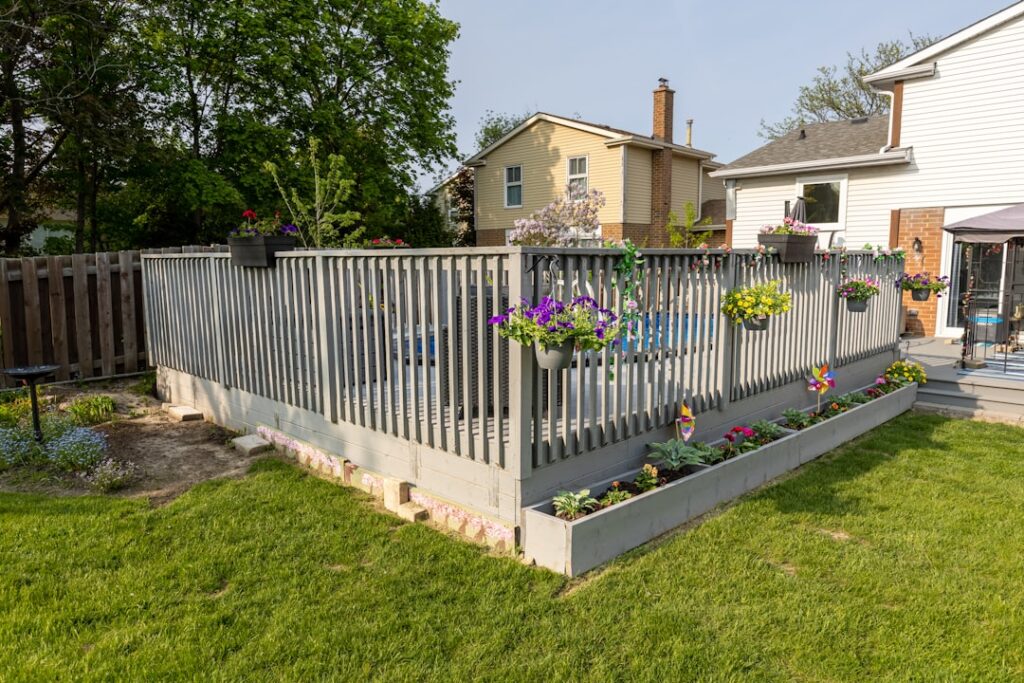
Residents should check local guidelines for any height or material restrictions before making changes, especially near property lines. Fences with decorative tops or integrated planters can further increase visual coverage without violating rules.
How Can Landscaping Contribute to Backyard Privacy?
Landscaping is one of the easiest ways to create a natural barrier around a backyard pool. Evergreen trees and shrubs are especially practical in Alpharetta’s climate, maintaining coverage throughout the year. Examples include arborvitae, holly, or wax myrtle—plants that stand up well to local humidity and heat. Layered plantings, such as combining tall shrubs with shorter perennials, create a staggered, lush effect.
Deciduous trees give summer privacy and shade while allowing more light during winter months. Bamboo is sometimes used, but requires careful management to prevent spreading.
For homes with smaller yards, container plantings or vertical gardens along fences provide adaptable options that can be moved or rearranged as needed.
Are Privacy Screens or Panels a Good Fit for the Area?
Freestanding privacy screens, pergola walls, and weather-resistant outdoor curtains offer flexible ways to add seclusion exactly where it’s needed—like around a poolside seating area or patio. Many residents use retractable screens that can be pulled out when the pool is active and retracted for a more open feeling during quieter months.
Materials should be chosen for durability in the humid, sometimes stormy Alpharetta weather. Metal, treated wood, or weatherproof fabrics resist warping and mold growth better than untreated options. Screens are also less likely than large fences or trees to run afoul of local covenants or HOA rules.
Can Shade Structures Improve Privacy Around Pools?
Pergolas, gazebos, and cabanas not only shelter pool users from the sun but also create a semi-private space by disrupting sightlines from above or from neighboring properties. Draping outdoor-rated curtains or using climbing vines on these structures adds a second layer of privacy.
In Alpharetta, many households install these features with built-in fans or mosquito netting to increase comfort during peak summer. Proper orientation of these structures—especially when placed between the pool and areas with higher visibility—makes a noticeable difference for privacy without feeling closed in.
What Role Do Sound Barriers Play in Pool Privacy?
Visual privacy is important, but noise can carry from pool areas, especially in neighborhoods where homes are close together. Landscaping hedges, privacy fences, and even water features such as small fountains help mask sounds, offering another level of seclusion during gatherings or quiet poolside relaxation.

Water features serve double duty: they muffle conversations and ambient noises while providing a calming background. Selecting low-maintenance options suited to Alpharetta’s weather patterns is key for year-round benefits.
What Local and Seasonal Factors Should Be Considered?
In Alpharetta, pool privacy solutions must work with the region’s humid subtropical climate. Plants chosen for screening should be able to handle hot, wet summers and occasional cold snaps. Structures and fabrics should resist mold, mildew, and weather-related wear.
Another regional consideration is leaf drop from deciduous trees during autumn, which can add to pool maintenance. For this reason, evergreens are often preferred near pool edges.
Before installing fences, screens, or large landscape features, residents should check setback requirements and HOA guidelines typical of Alpharetta neighborhoods. Pool safety regulations may also affect where and how privacy features can be installed.
What Are Some Quick, Removable Options for Temporary Privacy?
For those in need of privacy during just part of the year or for special occasions, temporary solutions like portable bamboo screens, pop-up canopies, or tall potted plants offer flexibility. These can be moved or stored off-season, making them popular with area residents who host gatherings or wish to maintain a more open yard at other times.
Temporary options also give renters or households weighing permanent changes a way to experiment with different levels of coverage before committing to major landscape or structural work. Outdoor fabric panels, lashed between posts or trees, are another easy, cost-effective way to block specific sightlines.
What Common Misconceptions Should Homeowners Avoid?
Some residents may assume that privacy always requires tall, solid barriers; in reality, most relief comes from breaking up sightlines and layering coverage at different heights. Mixing fencing, plants, and moveable screens often produces better results—both visually and functionally—than one single approach.
More is not always better; too many solid barriers can actually make a pool area feel small or dark, and overplanting can create maintenance headaches. It's worth considering views from both within and outside the pool area, as well as seasonal changes in plant density for the best long-term comfort.