
 See My Latest Article on HelloNation
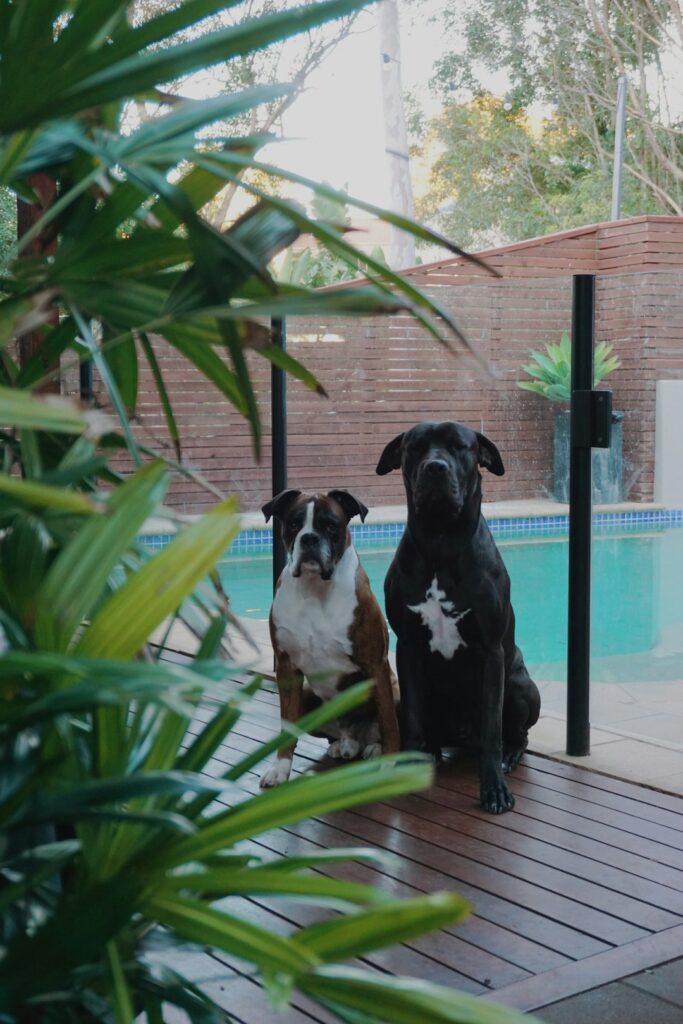
What Are Common Outdoor Hazards for Pets in Alpharetta, GA?
Residents often wonder what aspects of local yards could pose risks to pets, given the mix of climate, plants, and suburban layouts found here. In Alpharetta, certain garden plants, landscaping chemicals, and even local critters can be hazardous to cats and dogs.
Key hazards include:
- Toxic plants such as azaleas, sago palms, and oleander, which can cause serious health issues if ingested
- Lawn and garden chemicals, including fertilizers and pesticides, that may linger on grass and soil
- Mulches like cocoa mulch, which is toxic to dogs
- Standing water sources that can attract mosquitoes or foster algae, creating a risk for parasites and illness
- Backyard wildlife interactions, such as snakes or certain bugs, especially in less manicured areas or near natural tree lines
Most households can address these risks by researching plants before adding them to the yard, storing chemicals securely, and routinely inspecting outdoor spaces for signs of wildlife.
How Can Residents Secure Yard Boundaries for Pets?
Proper fencing is one of the most direct ways Alpharetta families keep cats and dogs safely contained in their outdoor areas. The most effective solutions rely on solid physical barriers that correspond to local pet sizes and behaviors.
For most area homes:
- Fences should be at least 4-6 feet for dogs and checked regularly for dig-out spots or weak links
- Avoid spaces wider than a few inches at the bottom or between slats, especially for smaller pets
- Gates should latch securely and be self-closing if possible
- Consider privacy screening for nervous pets, which can also help with neighborly relations
Pet owners should avoid relying solely on electronic or invisible fencing, which does not deter other animals from entering and may fail to physically protect pets from roadways or neighbors' yards.
What Is the Best Way to Choose Pet-Safe Landscaping Plants?
Choosing landscaping plants involves balancing aesthetics, durability, and safety. The area's climate allows for a wide selection of ornamental and native plantings, but pet owners should avoid popular toxic choices and opt for hearty, non-toxic varieties whenever possible.
Safe options for locals often include:
- Crape myrtle, magnolia, camellia, and most ornamental grasses
- Herbs like rosemary and thyme, which deter some pests and are non-toxic to most pets
- Lawn alternatives such as clover, which withstands pet traffic and is safe for chewing
Research each plant before installing, and steer clear of lilies, foxgloves, daffodils, and mushrooms, which can grow naturally and present unexpected risks.
How Can Pools and Water Features Be Made Safer for Pets?
Pools and ponds can be enjoyable for both pets and their owners but require some added precautions in Alpharetta's warm, storm-prone climate.
Simple, effective measures:
- Add steps or ramps that allow pets and wildlife to exit easily if they fall in
- Store pool chemicals securely, preventing accidental ingestion or spills near areas pets roam
- Use strong, lockable covers for pools and raised water features when not in use
- Regularly clean and test all water sources to prevent algae and bacteria buildup
Residents might also consider fencing off pools when not in direct use, particularly if children and pets will be sharing the backyard.
What Ground Covers and Surfaces Are Best for Pets?
Ground surface choice can impact everything from paw comfort to cleanliness. Alpharetta's seasons bring muddy springs, hot summers, and damp autumns, so durable ground covers help create low-maintenance, pet-friendly areas.
Popular pet-friendly options include:
- Artificial turf specifically designed for pet use, which drains well and resists odors
- Natural grass mixes with tough, repairable varieties, such as Bermuda or fescue
- Mulch made of untreated pine or cedar, which is less likely to cause digestive issues

Gravel can be problematic for sensitive paws and may become scattered, while larger paving stones offer both coolness and easy cleanup.
How to Keep Pets Cool and Comfortable Outdoors?
In Alpharetta, heat and humidity can stress pets quickly. Ensuring plenty of shade and cool spots is key.
To keep pets comfortable:
- Plant trees or install shade sails and pergolas for natural cover
- Provide fresh, clean water in several locations
- Designate a cool, ventilated rest area; raised dog beds or outdoor pet houses work well
- Avoid dark-colored patios or decking, which absorb heat
Taking walks and outdoor playtime during cooler morning or evening hours further reduces the risk of heatstroke.
What Are Simple Ways to Encourage Safe Outdoor Play and Enrichment?
Enrichment is vital for active pets. Locals can enhance their yards with features that satisfy curiosity and activity, using space and shade already available.
Options for enrichment:
- Install digging pits filled with sand or child-safe play areas for dogs who love to burrow
- Create gentle obstacles, like low tunnels or simple weave poles, to encourage exercise
- Add bird or butterfly gardens outside pet play areas for visual interest without direct contact
- Rotate outdoor toys and provide a secure place for chews or bones
Always supervise new activities until sure of a pet’s habits, adapting spaces over time as needs change.
Are There Local Wildlife Concerns Residents Should Know About?
Alpharetta’s green spaces and wooded backdrops attract a variety of wildlife, including deer, raccoons, foxes, and coyotes. Even in suburban neighborhoods, food left outdoors or unsecured trash can invite unwanted visitors.
Recommended precautions:
- Avoid feeding pets outside, and promptly remove uneaten food
- Store garbage in bins with tight lids and avoid composting animal products
- Seal outdoor sheds and crawlspaces
- Supervise pets at dawn and dusk, when most wildlife is active
Pet owners may consult publicly available information from local animal control or extension services for updates on seasonal wildlife issues.