

 See My Latest Article on HelloNation
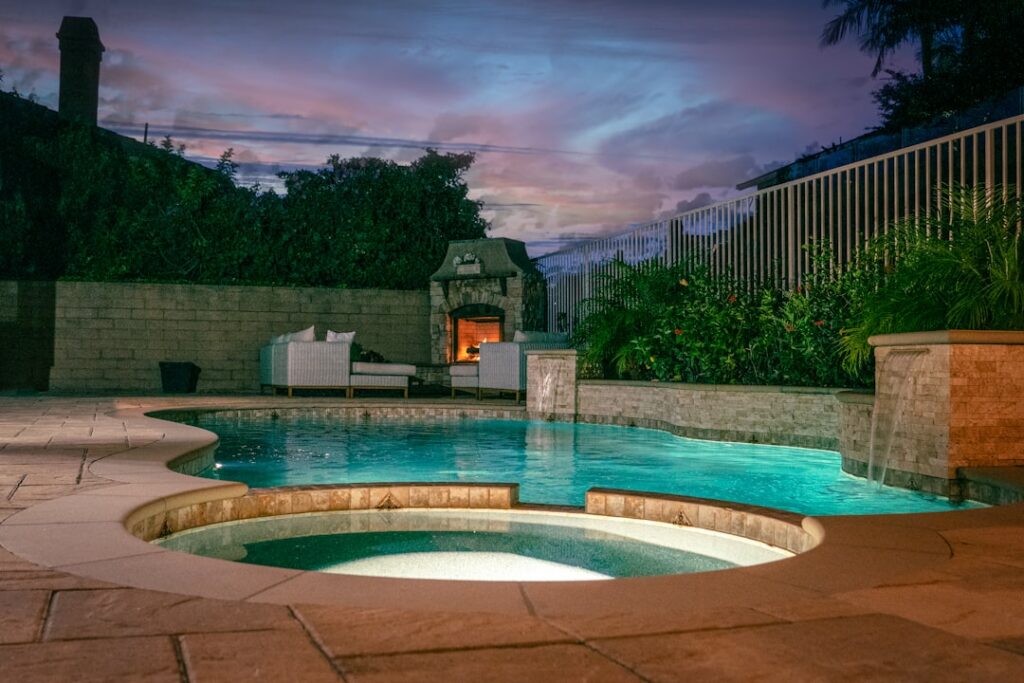
Why Heat a Pool in Alpharetta, GA?
Pool owners in Alpharetta, GA frequently ask if heating a pool is necessary given the area’s mild winters and long warm seasons. While it’s true that many months offer swim-friendly weather, water temperatures often dip below comfort levels earlier in spring and later in fall. For those who want to extend their swimming season or maintain a precise temperature for health or family use, a pool heater can make a practical difference in local enjoyment.
What Types of Pool Heaters Are Available?
Pool heating solutions generally fall into three main categories: gas heaters, electric heat pumps, and solar heaters. Each system operates differently and suits unique needs. All three options can be used in Alpharetta, but their suitability depends on your property, budget, and how you plan to use your pool.
Gas Pool Heaters
Gas pool heaters use natural gas or propane to generate heat quickly. They are often chosen for pools that aren't used daily, but where rapid heating is desirable (e.g., for gatherings or weekends).
Pros:
- Fast heating even during cooler nights or early spring/autumn
- Reliable for keeping water warm regardless of outdoor temperature
Cons:
- Higher operating costs due to fuel prices, especially during extended use
- Require gas line access and periodic maintenance
Locally, gas heaters are valued for their ability to provide warmth on demand, but they’re typically less favored for everyday heating unless convenience outweighs fuel costs.
Electric Heat Pumps
Electric heat pumps transfer heat from the outside air to the pool water, working best when ambient temperatures are moderate (generally above 50°F).
Pros:
- Significantly lower operating costs than gas for regular or daily use
- Efficient during Alpharetta’s warm spring and autumn seasons
- Longer lifespan with minimal maintenance needs
Cons:
- Slower to raise water temperatures compared to gas heaters
- Less effective during brief cold snaps
Given the area’s typical climate, heat pumps are popular among local pool owners who swim frequently and want to maximize energy savings during most of the year.
Solar Pool Heaters
Solar systems use panels to collect heat from the sun and transfer it to the pool water. Their effectiveness depends on available sun exposure and roof orientation.
Pros:
- Virtually no ongoing operating expense beyond the pump electricity
- Environmentally friendly and low-maintenance
- Can extend the swim season for most of the year
Cons:
- Upfront installation costs are higher than other systems
- Slower temperature changes; performance varies with weather and available sunlight
With abundant sunny days, solar systems can meet most households' needs in the community from late March through October, but they may need backup from a supplementary source during extended cool or overcast periods.
How Does Local Climate Affect Pool Heating Choices?
Alpharetta’s climate benefits from hot summers, mild springs, and relatively short, cool winters. This creates a generous unheated swimming season. However, evening temperatures and shoulder seasons can cool pools faster than some expect, especially in shaded yards or after rain.
- Heat pumps are effective through the majority of pool season but taper off during the coldest months when overnight lows fall near freezing.
- Gas heaters remain effective year-round but are costliest when temperatures drop.
- Solar heaters align well with the most active swim months, but their efficiency drops during persistent cloudy spells or late fall.

For most residents, a hybrid approach occasionally supplements solar with a gas heater for early openings or special occasions, balancing comfort and cost.
What Impacts Installation and Operational Costs?
Residents often ask how to avoid unexpected costs with pool heaters. Initial investment, ongoing expenses, and maintenance should all be weighed.
- Gas heaters have modest installation fees (especially if gas lines are nearby) but variable monthly bills. Maintenance includes burner and vent cleaning.
- Heat pumps cost more initially, but lower ongoing utility expenses even out the investment over several seasons.
- Solar heaters require a location with unobstructed southern or western sun exposure, and installation costs are highest upfront. Electricity to run the pool’s filtration pump remains the main regular cost.
Local homes may also need to factor in:
- Existing electrical or gas service capacity
- Shade from neighboring trees or buildings
- HOA rules about solar panels
Are There Energy Efficiency or Regulatory Concerns?
Concerns about energy usage or local rules are common. Electric heat pumps and solar systems have advantages for those prioritizing energy efficiency, possibly aligning with state incentives or utility rebates.
Gas heaters, while effective, may be subject to usage regulations or voluntary restrictions during fuel shortages. Some neighborhoods have limitations regarding visible solar installations, so confirming local guidelines beforehand is wise.
The mild climate in the area allows most households to prioritize energy-savvy heating methods without major sacrifices in comfort.
How Should Pool Owners Choose the Best Fit?
With several viable options, the right choice depends on each household’s priorities. Practical questions to ask before deciding include:
- How many months of the year do you want comfortable swimming?
- Is speed or efficiency your top concern?
- What does your property's sun and utility access allow?
- Do initial costs or long-term savings matter more?
Residents looking for the longest swim season often combine efficient daily heating (heat pump or solar) with occasional rapid heating from a gas backup. For lighter use, a simple gas heater may suffice. For low-cost, routine heat, electric heat pumps or solar solutions offer the best fit for Alpharetta’s climate.
By matching pool heating methods to household habits and local conditions, area residents can enjoy comfortable water temperature without wasted energy or unnecessary expense.