

 See My Latest Article on HelloNation
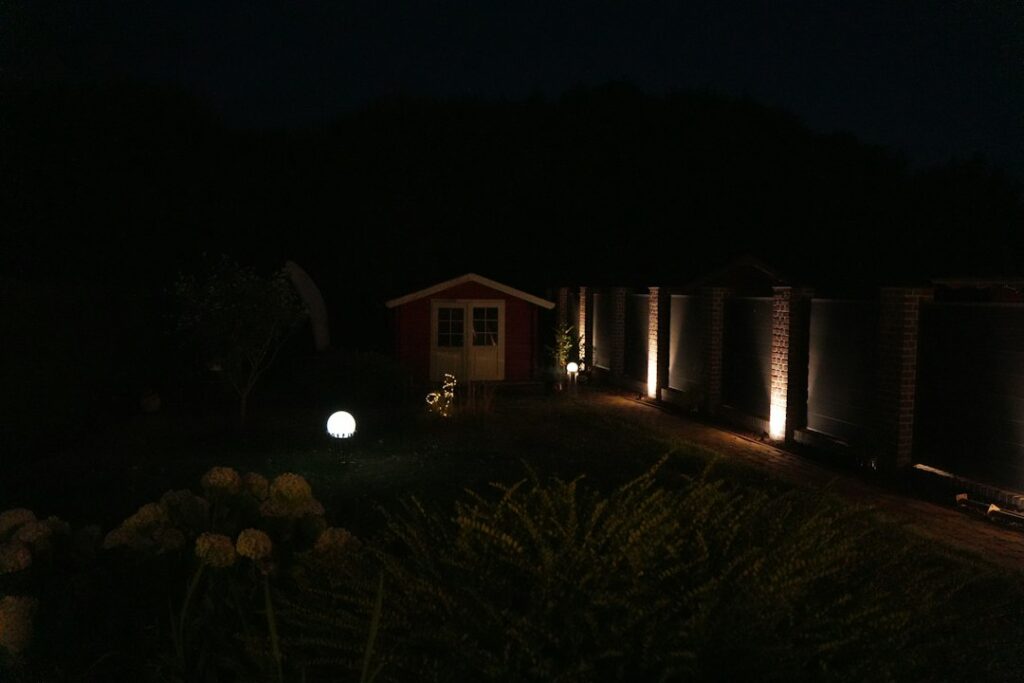
What should backyard lighting accomplish?
In Alpharetta, GA, effective backyard lighting should make outdoor areas easier to use after sunset while improving visibility around steps, walkways, seating areas, and water features. The goal is not to make the entire yard equally bright. A better plan combines a few types of light so the space feels comfortable rather than exposed or overly illuminated.
Good outdoor lighting usually serves three purposes:
- Safety: Helps people see changes in elevation, wet surfaces, pool edges, and obstacles.
- Function: Makes patios, outdoor kitchens, dining areas, and seating spaces usable in the evening.
- Appearance: Highlights trees, planting beds, retaining walls, fences, and architectural features without overwhelming them.
Before buying fixtures, walk through the yard after dark. Notice where movement feels difficult, where shadows hide steps, and where light from inside the home already provides some visibility. This simple survey often reveals that only a few carefully placed fixtures are needed.
Which areas should be lit first?
Start with places where people walk, gather, or change elevation. Pathways, stairs, gates, and transitions between the home and yard generally deserve priority over decorative features.
Useful locations include:
- Walkways leading from the house to a patio, pool area, shed, or garden
- Steps, ramps, and changes in grade
- The edge of a pool or spa area
- Seating and dining spaces
- Outdoor cooking areas
- Gates and frequently used entrances
- Dark corners near retaining walls or large shrubs
Path lights should guide movement without shining directly into people’s eyes. Spacing them in a staggered pattern often creates more natural coverage than placing them in a straight line on both sides of a walkway. Fixtures installed too close together can produce a runway effect and make the lighting feel artificial.
Stairs need light that reveals the height and depth of each step. Small fixtures mounted on risers, nearby walls, or adjacent posts can work well. Avoid placing a bright fixture at the top of a staircase where glare can make the lower steps harder to see.
How can pool areas be lit safely?
Pool lighting requires extra care because water, electricity, wet surfaces, and bare feet create a higher-risk environment. Lighting outside the water should improve visibility without creating glare across the surface.
A practical approach is to light:
- The route to and from the pool
- Steps and changes in elevation
- The deck perimeter
- Nearby seating areas
- Outdoor showers or equipment access areas
- Fences, gates, and barriers where visibility matters
Avoid aiming bright fixtures directly across the pool toward the house or seating areas. Reflections on the water can become distracting, especially from low viewing angles. Light positioned to wash nearby walls, planting, or hardscape surfaces often provides a softer effect.
Any lighting installed in or immediately around a pool must follow applicable electrical and safety requirements. Fixtures, wiring, outlets, transformers, and controls should be selected and installed for their intended wet or damp location. Hazardous wiring conditions, damaged fixtures, exposed connections, or lighting near the water that is not clearly rated for the environment should not be treated as a do-it-yourself repair.
Are low-voltage lights a good choice for homeowners?
Low-voltage landscape lighting is commonly used for paths, planting beds, patios, and other outdoor areas because the fixtures typically operate at a lower voltage than standard household circuits. This can make small landscape projects more manageable, but low voltage does not mean risk-free.
A basic system may include a transformer, outdoor-rated cable, connectors, fixtures, and a timer or control. Before installation:
- Confirm that the transformer is rated for the total connected wattage.
- Leave capacity for future additions instead of operating at the maximum limit.
- Use cable and connectors designed for outdoor burial or exposure.
- Protect wiring from lawn equipment, digging, erosion, and animals.
- Keep connections elevated or protected from standing water where appropriate.
- Follow the manufacturer’s installation instructions and local electrical requirements.
In yards with heavy clay soil, exposed roots, drainage issues, or frequent landscape work, cable placement deserves particular attention. A shallow line can be damaged during edging, planting, aeration, or other routine maintenance.
How should homeowners choose light color and brightness?
Warm white light generally works well for residential landscapes because it creates a comfortable appearance and complements wood, stone, brick, and green foliage. Very cool or blue-toned light can make a backyard feel harsh and may create more glare than useful visibility.
Brightness should be matched to the task. A path light does not need the same intensity as an outdoor cooking area. Over-lighting can reduce contrast, wash out the appearance of plants, disturb neighbors, and make it harder to see beyond the lit area.
A balanced plan often uses:
- Lower, softer light for paths and planting beds
- Moderate light for steps and circulation areas
- Brighter, focused light for food preparation and work surfaces
- Gentle accent light for trees, walls, and architectural details

Shielded fixtures are useful when the light source itself is visible from nearby windows or seating. The fixture should illuminate the intended surface, not shine into eyes or toward neighboring properties.
What are simple DIY lighting projects?
Several projects are suitable for careful homeowners who understand basic outdoor installation practices. Solar lights can be useful for temporary or low-demand path lighting, especially where trenching cable would be difficult. Their performance depends on direct sunlight, battery condition, seasonal cloud cover, and placement.
Other approachable projects include:
- Adding a small number of low-voltage path lights along an existing walkway
- Installing warm accent lights near a tree or planting bed
- Lighting a patio with properly rated string lighting secured above head height
- Using portable rechargeable lanterns for occasional gatherings
- Replacing damaged covers or lenses with compatible outdoor-rated parts
String lighting should be supported by structures designed to carry it. Do not attach heavy lighting to weak branches, unstable fences, or overhead lines. Keep cords away from standing water and walking paths, and use outdoor-rated equipment with appropriate weather protection.
How can lighting work with Alpharetta’s seasonal conditions?
The area’s humid summers, heavy rainfall, occasional winter freezes, and active vegetation growth can affect outdoor lighting over time. Moisture may enter poorly sealed connections, soil can shift around buried cable, and shrubs may eventually block fixtures that were correctly aimed when installed.
Seasonal maintenance should include:
- Clearing leaves and mulch from fixtures
- Trimming plants that block light or touch hot components
- Checking for cracked lenses, corrosion, loose mounts, or exposed cable
- Confirming that timers are still operating at suitable sunset and sunrise settings
- Re-aiming fixtures after storms or landscape changes
- Inspecting areas where runoff or irrigation regularly saturates the soil
Landscape lighting should also be coordinated with irrigation. Sprinklers that repeatedly spray directly onto fixtures, connectors, or outdoor electrical components can shorten their service life.
What common lighting mistakes should be avoided?
The most frequent mistake is using too many fixtures or choosing fixtures that are brighter than necessary. More light does not automatically mean more safety. Excessive brightness can create glare and deep shadows, making the yard harder to navigate.
Other common problems include:
- Placing lights in a perfectly symmetrical pattern
- Aiming fixtures toward windows or neighboring yards
- Lighting only decorative features while leaving steps dark
- Burying cable without considering future planting or maintenance
- Mixing several noticeably different light colors
- Ignoring drainage and standing water
- Forgetting to inspect lighting after major pruning or hardscape changes
A successful backyard lighting plan usually develops in stages. Begin with safety and movement, add task lighting where outdoor activities occur, and then introduce a small number of accents. This approach keeps the installation practical and allows the yard’s lighting to evolve with changing trees, patios, planting beds, and household routines.