

 See My Latest Article on HelloNation
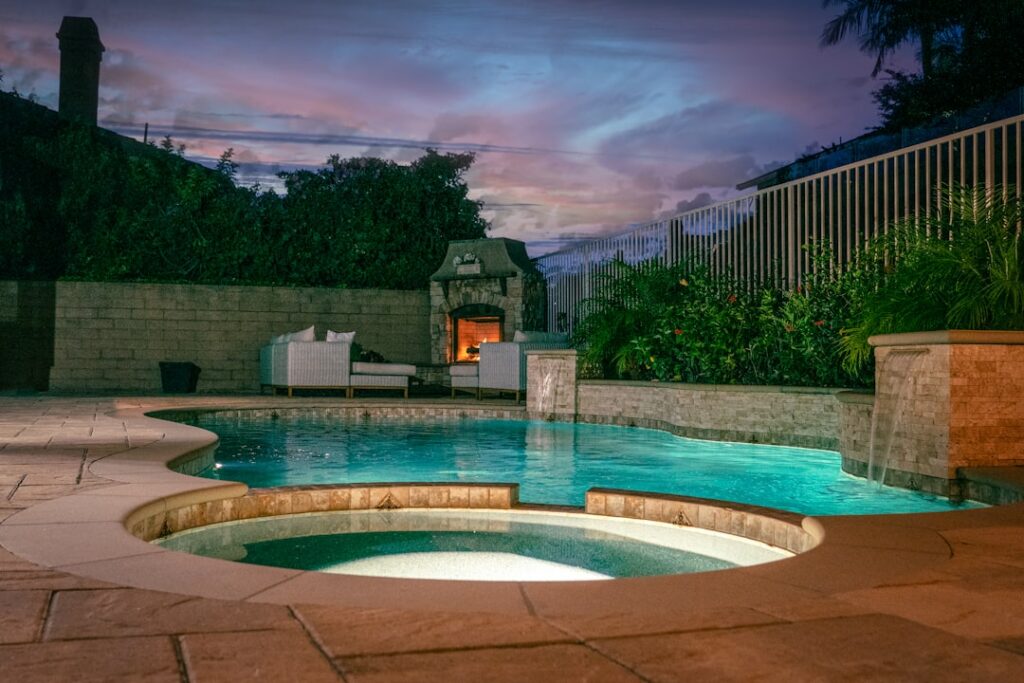
Which Pool Shapes Work Well in Alpharetta, GA?
Rectangular, freeform, and geometric pool shapes are all popular and functional choices for the area’s residential yards. Each shape offers distinct advantages depending on local lot size, landscaping goals, and how you plan to use the pool. In Alpharetta, most neighborhoods feature a mix of traditional and contemporary homes, with backyard spaces ranging from compact to sprawling. As a result, residents often ask which pool shape truly fits their yard and lifestyle.
- Rectangular pools provide classic lines, often complementing colonial or modern homes found across the community. These shapes are easy to cover and typically work well for lap swimming or maximizing swim space on smaller lots.
- Freeform pools feature curves and organic lines, blending naturally with lush landscaping and the tree-lined properties common in the area. These shapes are ideal for those seeking a more natural or resort-like backyard environment.
- Geometric pools (including L-shaped, Grecian, or Roman designs) can highlight architectural features and offer creative options for yards with unique boundaries or built-in features like spas or tanning ledges.
How Does Local Climate Affect Pool Shape Choices?
In Alpharetta, the humid subtropical climate—with hot summers and mild winters—means residents get a longer swimming season and more opportunities to use outdoor spaces. Because of this, pool shapes that support multiple uses—like lounging, recreation, and exercise—tend to be more popular.
A well-shaped pool can also influence factors like:
- Sun exposure: Smooth, open shapes maximize sunlight, helping keep water warmer naturally. Positioning the longest edge east–west often allows for the best afternoon sun.
- Tree cover: Backyards with mature trees may benefit from compact or kidney-shaped pools that tuck into curves between roots and garden beds, minimizing leaf debris.
- Seasonal maintenance: Straight-edged pools are easier to cover and clean, which some local residents appreciate during fall and pollen-heavy spring months.
What Space and Zoning Considerations Are Involved?
Pool shape has a direct impact on how well the installation fits within local zoning, set-back requirements, and yard boundaries. Household lots in Alpharetta can vary widely, so it’s helpful to measure usable open area and understand local ordinances before selecting a shape.
- Rectangular and square pools maximize swim area in narrow lots or near property lines but may be limited by required setbacks from fences and utilities.
- Freeform or kidney shapes adapt flexibly to irregular spaces, sloping yards, or existing structures—such as patios, fire pits, or play areas common in the city’s family neighborhoods.
- Corner installations may favor L-shaped pools, providing a distinct zone for shallow lounging or play as well as deeper swim sections.
Before committing to a pool shape, review neighborhood association guidelines and any municipal setback or barrier requirements. These often define how close a pool can be to property lines, structures, and vegetative buffers.
How Do Design Preferences Influence Pool Shape?
Some residents prefer pool shapes that serve as visual focal points or that coordinate with architectural styles. For instance, geometric pools with crisp edges can echo the symmetry of brick colonials or modern farmhouses often seen in the city. In contrast, natural shapes may better blend with informal gardens or wooded landscapes.
- Integrated features: Shape influences how easily amenities—such as spas, tanning ledges, or waterfalls—can be added. Straight lines accommodate automatic pool covers, while irregular curves are ideal for rock features or hidden benches.
- Aesthetic harmony: Aligning the pool shape with major views, such as a woodland border or garden beds, can make the landscape feel larger and more cohesive.
- Personal use: If swimming laps is a goal, rectangular pools make the most sense. For families who value relaxation and play, freeform or combination shapes may better suit varying depths and recreational needs.

What Are Common Misconceptions About Pool Shape Selection?
Many first-time pool buyers assume that a larger or more complex shape is always preferable, but this isn’t always suited to every yard or budget. Some misconceptions include:
- Bigger is always better: In reality, maximizing usable open space and allowing room for landscaping or patio seating is often more valuable than simply opting for the largest possible pool.
- Curves are harder to maintain: While there are extra considerations for covering and cleaning curved pools, modern tools and strategic landscaping can keep maintenance manageable.
- Any shape fits every yard: Irregular lots, sloped terrain, or large tree roots may restrict certain pool shapes, making flexibility and adaptability important in the planning phase.
What Other Factors Should Alpharetta Residents Consider?
Beyond aesthetics and zoning, there are a few additional areas to keep in mind:
- Safety requirements: Fence and barrier guidelines may affect how closely a pool can fit to structures or lot lines.
- Drainage and grading: Some shapes allow for easier management of rainwater or backyard runoff, which is a real consideration given seasonal thunderstorms in the region.
- Future plans: Think about how changes such as home additions, new patios, or updated landscaping might impact pool use or accessibility down the road.
Discussing ideas with neighbors who have completed similar projects in the community may provide insight into what works well locally and what design adjustments proved especially effective for the area’s unique mix of homes and lot sizes.