

 See My Latest Article on HelloNation
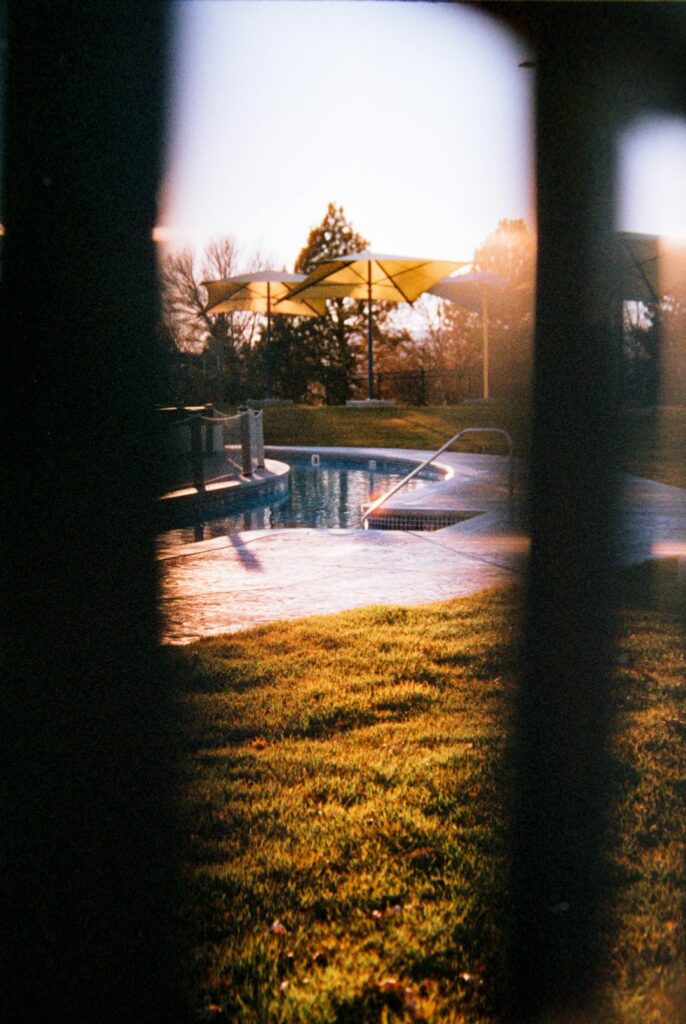
What makes a pool more environmentally responsible?
An eco-friendly pool uses less water, electricity, and chemicals while maintaining safe, clear, comfortable swimming conditions. The most effective improvements usually come from better circulation, reduced evaporation, efficient equipment, and thoughtful landscape design rather than from a single specialized product.
For homeowners in Alpharetta, GA, the local climate creates several factors to consider. Hot summers increase evaporation, while heavy rain can dilute or introduce organic material into the pool. Pollen, leaves, and seasonal debris may also increase filtration needs. A sustainable approach should account for all of these conditions.
Which pool upgrades reduce electricity use?
Energy-efficient circulation equipment can significantly reduce the electricity required to operate a pool. The largest opportunity is often the pump, because it may run for several hours each day during the swimming season.
Variable-speed pumps are designed to operate at lower speeds for routine filtration and higher speeds only when needed for cleaning, heating, or water features. Running at a lower speed for a longer period can use less energy than operating a single-speed pump at full power.
Other useful upgrades include:
- A properly sized pump rather than an oversized model
- A clean filter that does not force the pump to work harder
- Efficient pool heating equipment used with a cover
- Timers or automation that prevent unnecessary operating hours
- Light-emitting diode pool lights instead of older high-energy bulbs
- Reduced use of decorative water features that require separate pumping
The pump should be matched to the pool, plumbing, filter, and circulation needs. Oversizing equipment does not automatically improve water quality and can increase operating costs.
Can a pool cover conserve water and energy?
Yes. A pool cover is one of the simplest ways to reduce evaporation. It can also limit heat loss, reduce the amount of debris entering the water, and lower the demand on filtration and chemical treatment.
Evaporation tends to increase during hot, dry, or windy weather. Even a well-maintained pool can lose noticeable water over time, especially when uncovered overnight. A cover is most effective when used consistently whenever the pool is not being used.
Different covers serve different purposes. A floating cover may reduce evaporation and heat loss, while a safety cover can also provide a physical barrier when properly installed and maintained. Covers should never be treated as a substitute for fencing, alarms, supervision, or other required safety measures.
A practical habit is to cover the pool after swimming, particularly during periods of high heat or when the pool will be unused for several days.
How can landscaping make a pool more sustainable?
Pool landscaping affects water use, maintenance, runoff, and debris. Plants placed too close to the pool may shed leaves, flowers, or pollen into the water, increasing cleaning and filtration demands. However, removing all vegetation is not necessarily more sustainable because plants can provide shade and help stabilize surrounding soil.
A balanced design may include:
- Drought-tolerant plants suited to local growing conditions
- Mulched planting areas that retain soil moisture
- Trees positioned far enough away to limit debris and root-related concerns
- Native or regionally adapted plants that require less supplemental watering
- Permeable surfaces that allow rainwater to soak into the ground
- Grading that directs runoff away from the pool
In a community with substantial seasonal rainfall, drainage deserves special attention. Rainwater flowing from roofs, patios, or sloped lawns can carry soil, fertilizer, and organic debris into the pool. Keeping downspouts and surface drainage directed away from the pool helps protect water quality.
What are the most environmentally responsible ways to manage pool chemicals?
A low-chemical pool is not necessarily a healthier pool. Disinfectants are needed to control harmful microorganisms, and reducing them too far can create unsafe water. The goal is accurate, efficient chemical management rather than eliminating treatment entirely.
Regular testing helps prevent both under-treatment and over-treatment. Water should be checked for sanitizer level, pH, and alkalinity, with additional testing when conditions change significantly. Heavy rain, intense use, hot weather, and extended periods without circulation can all affect water balance.
Helpful practices include:
- Measure chemicals rather than adding them by guesswork
- Keep the pH within the recommended range for the sanitizer being used
- Clean baskets and filters so debris does not consume treatment capacity
- Avoid adding multiple chemicals at once unless the product directions allow it
- Store chemicals in a cool, dry, ventilated location away from incompatible materials
- Never mix pool chemicals together

Saltwater systems still use chlorine. They generate chlorine from dissolved salt, which may make routine dosing more automated, but they do not eliminate the need for testing, cleaning, and proper water balance.
Are solar heaters practical for residential pools?
Solar heating can reduce dependence on conventional fuel or electric resistance heating, but its usefulness depends on available sunlight, roof or ground space, desired water temperature, and how long the pool is expected to remain warm.
Solar systems generally work best when paired with a pool cover. Without a cover, much of the added heat can be lost through evaporation, especially overnight. A cover often provides a larger practical benefit than increasing heater capacity.
Homeowners should also consider whether the pool is heated only during the warm season or expected to remain comfortable during cooler parts of spring and fall. Extending the swimming season usually requires more energy than maintaining water temperature during naturally warm weather.
Can rainwater be used for pool filling?
Rainwater may appear suitable for replacing evaporation losses, but it is not automatically ready for direct use in a swimming pool. Collected rainwater can contain dust, roofing materials, organic matter, and other contaminants. Its mineral content and acidity may also differ from the pool’s existing water chemistry.
Any rainwater collection system intended for pool use should be evaluated for filtration, storage, cross-connection prevention, and local requirements. Untreated roof runoff should not be routed directly into the pool.
For many households, the more practical environmental step is to use a cover, repair leaks, and avoid unnecessary draining. Pool water should not be replaced simply because it has become cloudy if testing and filtration can correct the underlying issue.
What pool maintenance habits have the greatest environmental impact?
The most sustainable maintenance routine is usually preventive. Small problems can increase water, energy, and chemical use if they are allowed to continue.
Watch for:
- A water level that drops faster than expected
- Air bubbles returning through the pool jets
- Unusual pump noise or pressure changes
- Cloudy water after heavy use or rainfall
- Cracked plumbing, loose fittings, or damaged equipment
- Filters that require cleaning more often than usual
- Automatic fill systems that run frequently
A leak can waste water continuously and may damage nearby soil or structures. Electrical faults, buried plumbing problems, and hazardous chemical conditions require specialized attention for safety and accurate diagnosis.
Keeping the pool covered, maintaining clean filters, trimming debris-producing vegetation, and testing water on a consistent schedule can often reduce the need for larger corrective treatments.
Which eco-friendly upgrades should be prioritized first?
For many residential pools, the most practical order is to address waste before adding new technology:
1. Repair leaks and correct inefficient plumbing or circulation.
2. Use a properly fitted cover to reduce evaporation and heat loss.
3. Improve pump efficiency and operating schedules.
4. Keep filters, baskets, and skimmer paths clean.
5. Adjust landscaping to reduce runoff and debris.
6. Consider efficient heating, lighting, or automation based on actual household use.
The right combination depends on whether the main concern is water loss, high electric use, chemical demand, or seasonal maintenance. A pool becomes more sustainable when its equipment, landscape, and maintenance habits work together rather than when a single upgrade is expected to solve every problem.