
 See My Latest Article on HelloNation
What do birds and butterflies need from a garden?
Birds and butterflies are attracted to yards that provide three basic resources: food, water, and shelter. A garden does not need to be large or completely naturalized. Even a few carefully chosen plants, a shallow water source, and reduced pesticide use can make a residential landscape more useful to wildlife.
In Alpharetta, warm summers, mild winters, and a long growing season allow homeowners to support wildlife through much of the year. However, seasonal freezes can still occur, so a successful garden should include plants with different bloom periods and food sources rather than relying on a single season.
The most productive approach is to design the landscape in layers:
- Flowering plants for nectar
- Native trees and shrubs for berries, seeds, insects, and nesting cover
- Low-growing plants for shelter
- Open areas where butterflies can warm themselves
- Clean water placed away from heavy foot traffic and swimming areas
Which plants attract butterflies?
Butterflies need nectar-producing flowers as adults, but many species also need specific host plants where they can lay eggs. A garden with flowers alone may attract adult butterflies without supporting the next generation.
Choose plants that bloom at different times. Spring flowers provide early-season nectar, summer plants support the largest number of pollinators, and late-season flowers help butterflies prepare for cooler weather.
Useful plant categories for a local garden include:
- Native milkweeds for monarch and other caterpillars
- Coneflowers, black-eyed Susans, and native asters for nectar
- Bee balm and mountain mint for butterflies and other pollinators
- Goldenrod and other late-blooming plants for fall activity
- Native shrubs that provide shelter and additional flowers
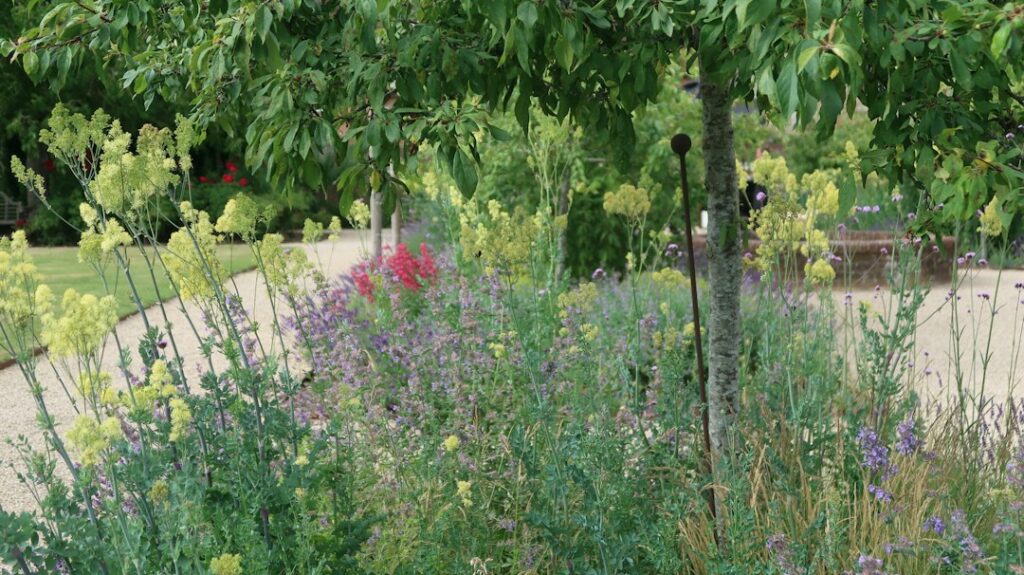
Plant flowers in groups or drifts rather than scattering one plant at a time. A larger patch of the same flower is easier for butterflies to find and usually creates a stronger visual signal than isolated blooms.
Butterflies also need sunlight. Place nectar plants where they receive several hours of direct light, especially during the morning. Flat stones, bare soil, or low branches can provide places for butterflies to warm their wings.
Avoid treating every caterpillar as a pest. Caterpillars are an essential part of the butterfly life cycle, and birds depend on them as a high-protein food source. Some leaf damage is a normal feature of a wildlife-supporting garden.
How can a garden provide food for birds?
Birds use gardens for more than seed. Native plants can supply berries, nuts, seeds, and the insects that many birds need to feed their young.
A layered planting design works well:
- Tall trees provide perches, nesting locations, and shade
- Shrubs offer berries, cover, and protected nesting areas
- Flowering perennials attract insects and produce seeds
- Grasses and groundcovers create low shelter
- Fallen leaves support insects and help protect soil
Native trees and shrubs are particularly valuable because local insects are more likely to recognize and use them. Insect-eating birds often search foliage and bark for caterpillars, beetles, and other small prey. A yard with only ornamental plants that produce little insect life may look attractive but provide limited habitat.
Allow some seed-producing flowers to remain standing through winter instead of cutting everything back in fall. Their seed heads can feed birds, while their stems provide shelter for overwintering insects. When trimming is necessary, leaving a portion of the garden undisturbed creates more habitat than clearing the entire bed at once.
Should bird feeders be used?
Bird feeders can supplement natural food, but they should not be the only source of nourishment. Native plants and healthy insect populations provide a more complete diet and remain available even when feeders are empty.
If feeders are used, place them where birds have nearby cover but can still see approaching predators. Keep seed dry, remove wet or moldy material, and clean the feeding area regularly. Spreading food sources apart can reduce crowding and competition.

Feeders should also be positioned thoughtfully around a swimming pool. Birds may visit a pool for water, but chlorine, cleaning chemicals, and deep water do not make it a safe drinking or bathing source. A dedicated birdbath or shallow basin is a better option and can help reduce bird activity directly over the pool.
What kind of water source is safest?
A shallow birdbath with a textured surface is usually more useful than a deep container. Birds need a secure place to stand while drinking or bathing, and gently sloping edges make access easier.
Change the water frequently, especially during warm weather. Scrub the basin when algae or debris accumulates, and place it where birds can reach shrubs or small trees for quick cover. It should not be so close to dense vegetation that cats or other predators can hide nearby.
For landscapes with pools, water features should be placed far enough from the pool deck to limit droppings, feathers, and plant debris entering the water. This separation also creates a more natural wildlife area instead of encouraging animals to gather around the swimming space.
How does landscaping around a pool affect wildlife?
Pool areas can support birds and butterflies if the surrounding planting is planned carefully. Keep nectar plants, berry-producing shrubs, and birdbaths outside the main circulation area. This reduces conflicts with swimmers and makes maintenance easier.
Avoid dense, overhanging vegetation immediately beside the pool. Plants that drop flowers, berries, or leaves into the water may increase cleaning needs. A better arrangement is to use a planted habitat zone along the edge of the property, with lower-maintenance poolside plants kept farther from the water.
Glass fencing, windows, and reflective surfaces can also create hazards for birds. Where birds repeatedly strike a window, use exterior visual markers or other treatments that break up reflections. Keep nighttime lighting modest, particularly during migration periods, because excessive light can disorient birds.
Are pesticides harmful to birds and butterflies?
Pesticides can reduce the insects that birds need and may directly harm pollinators. The safest approach is to identify a specific problem before treating it and use the least disruptive method available.
Practical steps include:
- Inspect plants regularly so problems are found early
- Remove heavily damaged leaves or small infestations by hand
- Improve air circulation and soil drainage
- Avoid spraying open flowers
- Do not apply insecticides when butterflies or bees are actively visiting
- Follow all product directions if treatment is unavoidable
A few chewed leaves usually indicate a functioning food web rather than a failed garden. Birds, predatory insects, and other wildlife often help keep pest populations balanced.
What maintenance habits help year-round?
Wildlife gardens benefit from moderate, deliberate maintenance rather than constant cleanup. Leave some leaf litter beneath shrubs and trees, keep a few seed heads standing, and avoid removing every fallen branch or natural hiding place.
In spring, inspect plants before cutting back old stems because insects may be using them for shelter. In summer, water new plants deeply during dry periods while avoiding unnecessary irrigation of established native species. In fall, allow some flowers and grasses to remain through winter. In winter, provide shelter and clean water when natural sources are limited.
A garden does not need to be untidy to be wildlife-friendly. Defined paths, mowed edges, and grouped plantings can create a neat landscape while preserving the food, cover, and seasonal variety that birds and butterflies need.