

 See My Latest Article on HelloNation
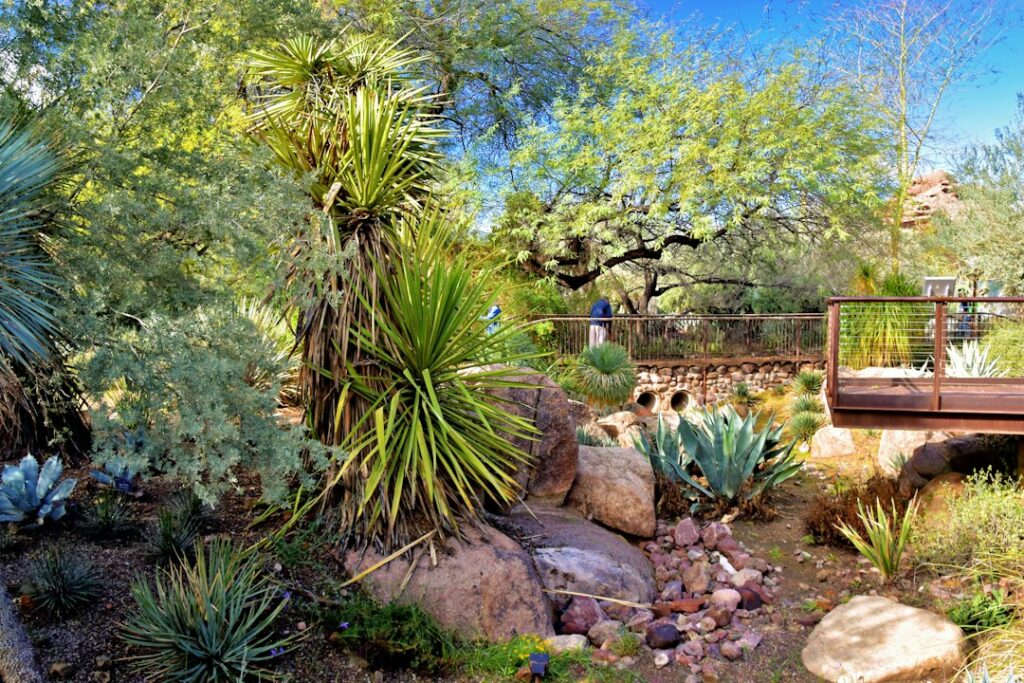
Rocks can do far more than fill a planting bed. Used thoughtfully, they can guide water, define outdoor rooms, protect soil, create wildlife habitat, and add visual structure around patios, pools, walkways, and gardens.
In Alpharetta, GA, rock choices should account for humid summers, periods of heavy rain, clay-influenced soils, sloped yards, and the heat that stone can hold during sunny weather. The most successful designs use rocks where they solve a practical problem or reinforce the way a space is used.
How can rocks improve drainage and manage runoff?
Rocks can help direct surface water, slow erosion, and stabilize areas where rainwater moves quickly. They do not automatically solve drainage problems, but they can be part of a larger approach that includes grading, soil improvement, and suitable plantings.
A dry creek bed is one useful application. It can be shaped through a low section of the yard to visually represent a stream while guiding occasional runoff toward a safe collection or infiltration area. Use a combination of larger stones, smaller gravel, and plants that tolerate periods of both moisture and dryness.
For a more natural appearance:
- Place the largest stones along curves and at changes in elevation.
- Use smaller gravel through the center of the channel.
- Avoid creating a straight, narrow trench that looks artificial.
- Keep water directed away from foundations, retaining walls, and pool equipment.
- Anchor the edges with deep-rooted plants rather than relying on loose stone alone.
On sloped property, strategically placed boulders can interrupt the speed of flowing water. They work best when combined with ground covers, shrubs, or terraced planting areas. Simply spreading gravel over an eroding slope may conceal the problem temporarily without preventing soil movement.
Can rocks be used around a pool area?
Yes. Rocks can create a clean visual transition around a pool, but placement and surface temperature deserve careful attention.
Large boulders can frame a planting area or create a natural-looking boundary between the pool deck and surrounding vegetation. Smaller stone may work along the outside of a paved surface, especially where grass is difficult to mow or irrigation overspray causes muddy conditions.
Avoid placing loose, sharp-edged rock where bare feet are likely to travel. Small stones can also migrate onto hard surfaces and become uncomfortable or hazardous underfoot. Keep gravel away from pool coping, steps, ladders, and narrow walking routes unless the area is clearly separated from foot traffic.
Dark stone can become very hot during summer sun. Lighter-colored stone may remain more comfortable, although any rock surface can heat up. Plants near the pool should also be selected carefully because reflected heat and splash water can create stressful conditions.
A practical pool landscape often uses rock as an accent rather than as the entire groundcover. Planting beds, permeable paving, and organic mulch can provide more comfortable areas around spaces that receive frequent use.
What are creative ways to use rocks besides groundcover?
Rocks can be used as structural and decorative elements throughout a residential landscape.
Create a natural seat
A broad, stable boulder can serve as informal seating near a fire area, garden path, or pool planting bed. It should have a relatively flat surface and be set firmly enough that it will not shift when someone sits down.
Build a simple focal point
A grouping of three or five stones often looks more natural than a single isolated rock. Vary the size, shape, and orientation while keeping the arrangement visually balanced. Partially burying large stones makes them appear established rather than placed on top of the soil.
Define outdoor rooms
A low line of stone can separate a seating area from a garden, distinguish a walkway from a planting bed, or frame a small outdoor dining space. Loose gravel can also mark a transition between lawn and patio, provided it is contained with a durable edge.
Highlight specimen plants
A carefully placed stone can draw attention to a sculptural shrub, ornamental grass, or small tree. Leave enough open soil around the plant for watering, root growth, and maintenance. Rocks should not be piled tightly against trunks or stems.
Form a dry garden
A dry garden uses gravel, larger stones, and plants that tolerate well-drained conditions. This style can work in sunny areas where grass struggles, but it should not be confused with a no-maintenance landscape. Weeds, leaf debris, displaced gravel, and plant growth still require attention.
Add wildlife features
Rock piles, crevices, and shallow depressions can provide shelter for insects and small wildlife. A shallow water dish with a few stones gives insects a place to land while drinking. Keep these features away from areas where children may trip or where standing water could become a maintenance concern.
Are rocks a good replacement for mulch in local planting beds?
Not always. Rocks can suppress some weeds and remain in place during heavy rain, but they do not provide organic matter as they break down. They can also absorb and radiate heat, increasing water loss from plants during hot weather.
For shade-loving plants, shallow-rooted plants, and moisture-sensitive shrubs, organic mulch is often more suitable. Rock may be more appropriate for paths, drainage features, borders, and plants adapted to drier, well-drained conditions.
If rock is used in a planting bed:

- Improve the soil before adding stone.
- Install a permeable separation layer only where appropriate.
- Keep rock away from plant crowns and tree trunks.
- Use enough depth to prevent soil from showing through, but avoid burying low-growing plants.
- Leave access for pruning, irrigation checks, and weed removal.
Landscape fabric can reduce mixing between soil and rock, but it does not eliminate weeds. Dust, leaves, and organic debris eventually collect on top, allowing weeds to establish. Fabric can also make future planting changes more difficult.
Which rock shapes and sizes work best?
The right material depends on the purpose.
Rounded river rock creates a softer appearance and works well in dry creek beds, drainage swales, and decorative accents. Angular crushed stone locks together more effectively and is generally better for paths or compacted surfaces. Large boulders provide structure but require careful placement because they are difficult to move later.
Avoid using very small, loose gravel on steep slopes or near lawn areas. It can wash downhill, enter drainage inlets, damage mower blades, or become lodged in shoes. Sharp stone should be reserved for locations with little foot traffic.
Color also affects maintenance. Light stone shows leaves and organic debris clearly, while dark stone can show dust and fade visually in full sun. A natural blend of earthy colors often remains more forgiving than a highly contrasting decorative stone.
What should homeowners check before adding rocks?
Start by observing the area during and after rain. Note where water collects, where soil washes away, and whether runoff is moving toward a building, pool, walkway, or neighboring property.
Also check for:
- Buried irrigation lines and drainage pipes
- Tree roots and the root zones of established plants
- Utility access points and cleanouts
- Slopes that may need structural stabilization
- Areas where rock could interfere with mowing or maintenance
- Local drainage requirements or neighborhood rules
Rocks should support the landscape rather than cover up unresolved grading or drainage issues. A well-placed boulder, dry creek bed, or gravel transition can make a yard more useful and visually cohesive, but the design works best when it respects water movement, plant needs, comfort, and long-term maintenance.