

 See My Latest Article on HelloNation
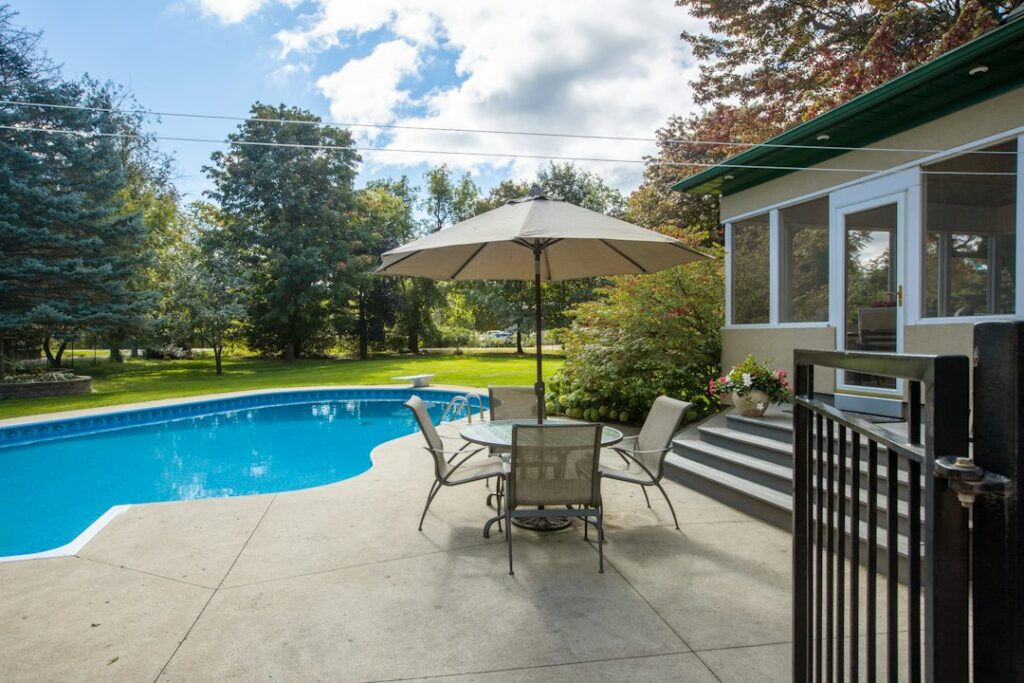
A pool can withstand ordinary weather, but severe storms create several different risks at once: windborne debris, lightning, hail, overflowing water, damaged equipment, and contaminated surfaces. Preparing before the storm is safer and usually reduces cleanup afterward.
For households in Alpharetta, GA, storm planning is especially useful during the spring and summer thunderstorm season, when strong straight-line winds, hail, lightning, and intense rainfall can arrive with limited warning.
What storm damage can affect a pool?
Storm damage is not limited to cracks in the pool shell. The surrounding landscape, deck, electrical equipment, drainage, and water chemistry can all be affected.
Common problems include:
- Patio furniture, umbrellas, toys, and branches entering the pool
- Torn or displaced pool covers
- Broken screens, fencing, gates, or deck accessories
- Floodwater carrying soil, mulch, fertilizer, and lawn debris into the pool
- Water levels rising above the normal operating range
- Damaged pumps, filters, heaters, lighting, or automation equipment
- Tree limbs falling near the pool or onto buried plumbing
- Erosion around slopes, retaining walls, drainage paths, or equipment pads
Strong winds can also move objects that seem too heavy to be dangerous. A chair, planter, grill accessory, or loose piece of landscape material may damage the pool finish or become a hazard to people nearby.
What should be done before a severe storm?
The safest preparation is to remove loose objects and protect electrical systems before the storm arrives. Do not wait until lightning or high winds are already present.
Walk the entire pool area and secure or remove anything that could become airborne. This includes furniture, umbrellas, pool toys, cleaning tools, removable handrails, decorations, and lightweight planters. Store these items inside a garage or other enclosed area if possible. If an object cannot be moved, secure it according to the manufacturer’s instructions without placing it in the pool.
Trimmed trees are not automatically storm-proof. Examine branches overhanging the pool, deck, equipment pad, and nearby structures. Dead, cracked, or weak branches pose the greatest concern, particularly when the ground becomes saturated. Tree work involving large limbs, power lines, unstable trees, or elevated equipment should not be attempted during hazardous conditions.
Check that gates latch properly and that fencing is stable. A storm can push a gate open, damage a latch, or deposit branches against a barrier. Pool safety barriers should remain functional before and after severe weather.
Should the pool be drained before a storm?
Usually, no. Draining a pool before a storm can create additional problems, including hydrostatic pressure beneath the shell, movement of the structure, damage to surfaces, and unnecessary stress on plumbing.
A pool normally provides weight that helps resist upward pressure from saturated soil. Lowering the water level is not a general storm-preparation step unless it is specifically required by the pool’s construction, drainage system, or an emergency repair plan.
If heavy rain is expected, check the water level before the storm. A pool that is already near the top may overflow when rainfall begins. The goal is to maintain a safe operating level, not to empty the pool. Avoid making sudden chemical or equipment changes without understanding how they affect the system.
Should the pump and electrical equipment be turned off?
During a severe storm, turn off pool equipment if doing so can be completed safely before lightning, flooding, or dangerous wind reaches the area. This may include the pump, heater, lighting systems, water features, and automated accessories.
Use the equipment’s normal disconnect or circuit breaker. Never stand in wet conditions while operating electrical equipment, and never touch electrical components that are wet, damaged, sparking, or surrounded by floodwater.
Lightning can damage equipment even when the pool itself appears unaffected. If the equipment pad floods, keep away from the area and do not restore power until the system has been inspected and confirmed safe. Water and electricity create a serious shock risk.
A pool should not be used during a thunderstorm. Lightning can strike the water, nearby deck, fencing, plumbing, or landscape. Move indoors and wait until the storm has clearly passed.
Is it safe to leave a pool cover on during high winds?
It depends on the type and condition of the cover. A properly installed safety cover may help keep large debris out, but a loose, damaged, or poorly fitted cover can flap, tear, collect water, or place stress on anchors.
Do not place heavy objects on a cover unless the cover manufacturer specifically allows it. Improvised weights may damage the cover or create a hazard. Never enter the pool to adjust a cover during a storm.
After high winds, inspect the cover from a safe position. Look for torn material, displaced anchors, excessive water, fallen limbs, and objects trapped underneath. A damaged cover should not be walked on or used as a substitute for a functioning safety barrier.
How can heavy rain and runoff be managed?
Heavy rain becomes more damaging when runoff flows directly toward the pool or equipment. Before storm season, observe where water naturally travels across the property. Downspouts, slopes, compacted soil, and paved surfaces can all direct water toward the pool deck.
Keep deck drains, channel drains, skimmers, and nearby grates free of leaves and mulch. Do not cover drainage openings with temporary materials that could block water.
Watch for erosion around the pool edge, retaining walls, steps, and equipment pad. Soil washed into the pool may introduce organic matter, fertilizer, and other contaminants. If runoff from a driveway, planting bed, or low area repeatedly enters the pool, the drainage pattern may need a carefully planned correction. Do not create a new drainage channel that sends water toward a neighboring property or public area.

What should be checked after the storm?
Wait until there is no active lightning and the area is safe before inspecting the pool. Stay away from downed wires, damaged trees, flooded equipment, unstable walls, and broken fencing.
Begin with a visual inspection:
- Look for branches, glass, metal, roofing material, and other sharp debris
- Check the water level and whether the pool is overflowing
- Inspect the cover, coping, deck, fence, gate, and visible plumbing
- Look for cracks, displaced tiles, loose fittings, or unusual settling
- Check whether the equipment pad or electrical components were flooded
- Observe whether the water is cloudy, discolored, or contaminated with soil
Do not turn on equipment that was submerged or visibly damaged. Do not use a pool with broken lights, exposed wiring, cracked surfaces, or unknown contamination.
Large debris should be removed with appropriate tools, not by hand. Mud and silt may require more than ordinary filtration. If floodwater entered the pool, avoid swimming until the water has been thoroughly cleaned, tested, and returned to safe chemical balance.
What storm-preparation mistakes should be avoided?
Several common responses can increase damage:
- Draining the pool without a specific structural reason
- Leaving furniture, umbrellas, or toys beside the pool
- Using a damaged cover or walking across a water-covered cover
- Operating electrical equipment in wet or flooded conditions
- Swimming because the storm appears to be nearby rather than overhead
- Adding large amounts of chemicals without testing the water first
- Cutting unstable trees or branches during high winds
- Ignoring erosion because the pool surface itself looks undamaged
A short pre-storm inspection, secure storage of loose items, clear drainage, and cautious post-storm assessment address most preventable risks. In this area, preparation matters not only during major weather events but also before fast-moving afternoon thunderstorms that can produce damaging wind, hail, lightning, and intense rainfall with little time for last-minute work.